
As the days grow shorter and the crispness of fall settles in, gardeners everywhere feel that old familiar pull: the great fall cleanup. Out come the rakes, the pruners, and the endless urge to “tidy up.” We trim, we cut, we sweep away every last leaf, convinced that neatness equals health.
But what if that instinct is backwards? What if the healthiest, most ecologically vibrant gardens are the ones that stay a little wild through winter? The truth is, the best fall gardening practices often look like less work, not more.
At Cheesecake Bear Ranch we’re learning to rethink cleanup with our plum trees, espaliered apple trees, tulip bulbs, strawberries, currants, jostaberries, lilacs, marigolds, and more.
1. Forget the Fall Cleanup: Let Your Garden Stay a Little Messy
It’s tempting to cut everything down to the ground. But leaving standing stems and seed heads can be a gift to wildlife.
- Marigolds, zinnias, and cosmos: their dried flower heads are a banquet for finches and chickadees.
- Garlic chives and borage: left to stand, their seed heads provide food for pollinators next spring.
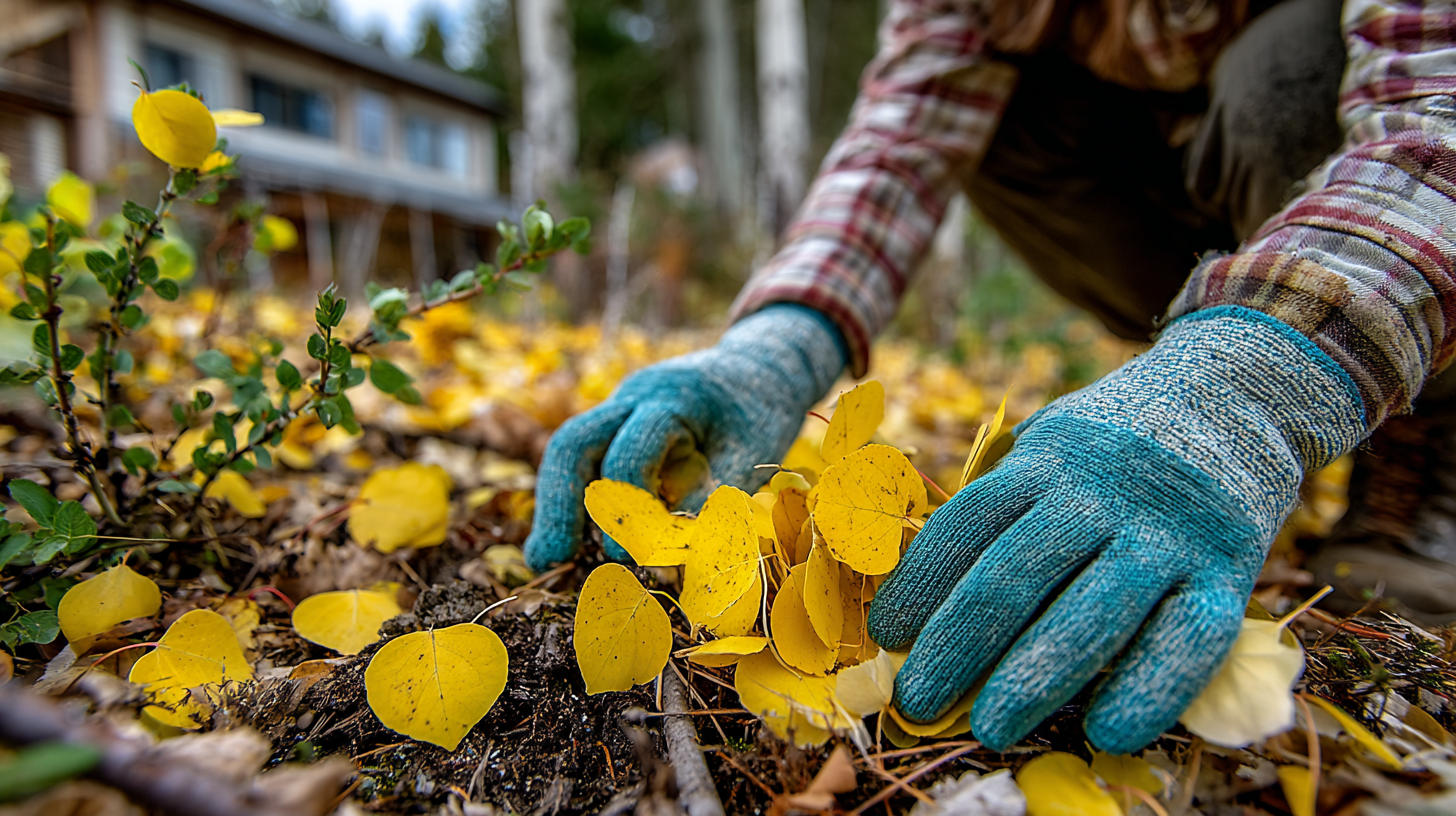
- Strawberry beds and currant canes: a light layer of leaves insulates their roots while sheltering beneficial insects and salamanders.
That “mess” of leaves isn’t waste. It’s mulch, habitat, and protection.
2. Put Down the Pruners (Until the Time is Right)
Pruning isn’t one-size-fits-all. Timing matters:
- Lilacs bloom on last year’s wood. Cut them in fall and you’ll lose next spring’s show. Wait until they finish flowering.
- Espaliered apple trees should be pruned in late winter while dormant, when you can clearly see the structure.
- Plum trees are best pruned in mid- to late-summer to avoid disease pressure.
Resist the urge for fall “haircuts.” Your patience will be rewarded with blooms and healthier trees.
3. The Best Time to Plant is Now
Fall isn’t just cleanup time. It’s prime planting season.
- Tuck in tulip and iris bulbs now for a burst of spring color.
- Plant black lilies for dramatic accents that emerge in spring.
- Establish jostaberries and currants in autumn while the soil is still warm. They’ll focus on root growth and explode with vigor in spring.
By planting now, you’re aligning with nature’s cycles. Roots establish quietly under cool soil while the tops rest for winter.
4. Treasure in Imperfect Produce
Maybe your plums split in the rain, or a bear “taste-tested” your strawberries. Don’t see them as failures. See them as seed stock.
- Let those overripe marigold blooms dry fully for free seeds next year.
- Save seeds from cosmos and zinnias for self-seeding beauty that costs nothing.
- Even quirky fruit from your apple espalier can provide viable seed for grafting experiments or rootstock.
Imperfect produce can become tomorrow’s abundance.
5. Beware the Hand Cream Trap
When handling seeds, especially small ones like borage, marigolds, or garlic chives, avoid pouring them into your hand. Oils or lotions can coat the seed, blocking the water it needs to germinate. Use a clean envelope, spoon, or gloves.
🌱 The Thoughtful Gardener
A thriving garden isn’t about tidiness. It’s about intention. By letting your plum trees hold their shape until summer, your lilacs bloom in spring, your currants overwinter under leaves, and your bulbs rest beneath the soil, you’re gardening with nature, not against it.
So this fall, resist the urge to over-clean. Keep a little mess, a little wildness, and a lot of patience. You’ll discover that joy grows best when we align with the rhythms of life.
👉 What old garden “rule” are you ready to break this season at your homestead?
Subscribe to Notes from the Ranch:
A weekly letter from the mountains — full of mindful living tips, art, and simple joys.