🍂 Rethinking Fall Cleanup at Cheesecake Bear Ranch

As the days grow shorter and the crispness of fall settles in, gardeners everywhere feel that old familiar pull: the great fall cleanup. Out come the rakes, the pruners, and the endless urge to “tidy up.” We trim, we cut, we sweep away every last leaf, convinced that neatness equals health.

But what if that instinct is backwards? What if the healthiest, most ecologically vibrant gardens are the ones that stay a little wild through winter? The truth is, the best fall gardening practices often look like less work, not more.

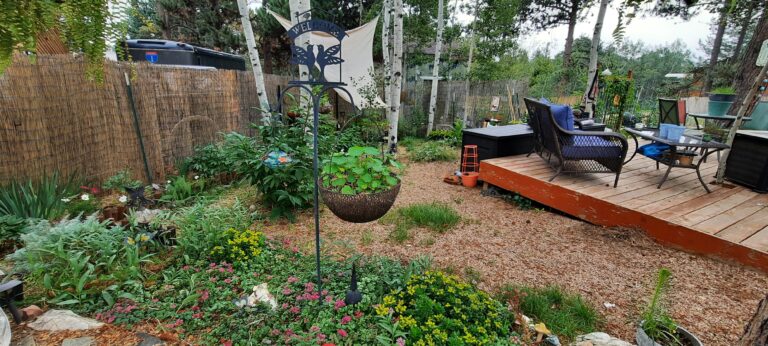
At Cheesecake Bear Ranch we’re learning to rethink cleanup with our plum trees, espaliered apple trees, tulip bulbs, strawberries, currants, jostaberries, lilacs, marigolds, and more.


1. Forget the Fall Cleanup: Let Your Garden Stay a Little Messy

It’s tempting to cut everything down to the ground. But leaving standing stems and seed heads can be a gift to wildlife.

  • Marigolds, zinnias, and cosmos: their dried flower heads are a banquet for finches and chickadees.
  • Garlic chives and borage: left to stand, their seed heads provide food for pollinators next spring.
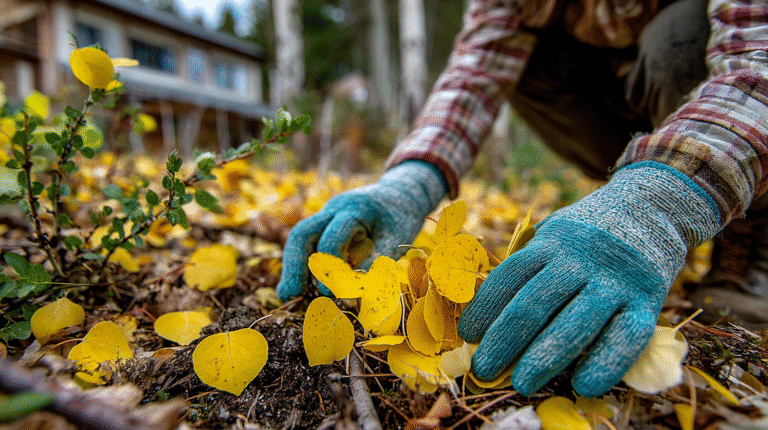
  • Strawberry beds and currant canes: a light layer of leaves insulates their roots while sheltering beneficial insects and salamanders.

That “mess” of leaves isn’t waste. It’s mulch, habitat, and protection.


2. Put Down the Pruners (Until the Time is Right)

Pruning isn’t one-size-fits-all. Timing matters:

  • Lilacs bloom on last year’s wood. Cut them in fall and you’ll lose next spring’s show. Wait until they finish flowering.
  • Espaliered apple trees should be pruned in late winter while dormant, when you can clearly see the structure.
  • Plum trees are best pruned in mid- to late-summer to avoid disease pressure.

Resist the urge for fall “haircuts.” Your patience will be rewarded with blooms and healthier trees.


3. The Best Time to Plant is Now

Fall isn’t just cleanup time. It’s prime planting season.

  • Tuck in tulip and iris bulbs now for a burst of spring color.
  • Plant black lilies for dramatic accents that emerge in spring.
  • Establish jostaberries and currants in autumn while the soil is still warm. They’ll focus on root growth and explode with vigor in spring.

By planting now, you’re aligning with nature’s cycles. Roots establish quietly under cool soil while the tops rest for winter.


4. Treasure in Imperfect Produce

Maybe your plums split in the rain, or a bear “taste-tested” your strawberries. Don’t see them as failures. See them as seed stock.

  • Let those overripe marigold blooms dry fully for free seeds next year.
  • Save seeds from cosmos and zinnias for self-seeding beauty that costs nothing.
  • Even quirky fruit from your apple espalier can provide viable seed for grafting experiments or rootstock.

Imperfect produce can become tomorrow’s abundance.


5. Beware the Hand Cream Trap

When handling seeds, especially small ones like borage, marigolds, or garlic chives, avoid pouring them into your hand. Oils or lotions can coat the seed, blocking the water it needs to germinate. Use a clean envelope, spoon, or gloves.


🌱 The Thoughtful Gardener

A thriving garden isn’t about tidiness. It’s about intention. By letting your plum trees hold their shape until summer, your lilacs bloom in spring, your currants overwinter under leaves, and your bulbs rest beneath the soil, you’re gardening with nature, not against it.

So this fall, resist the urge to over-clean. Keep a little mess, a little wildness, and a lot of patience. You’ll discover that joy grows best when we align with the rhythms of life.

👉 What old garden “rule” are you ready to break this season at your homestead?

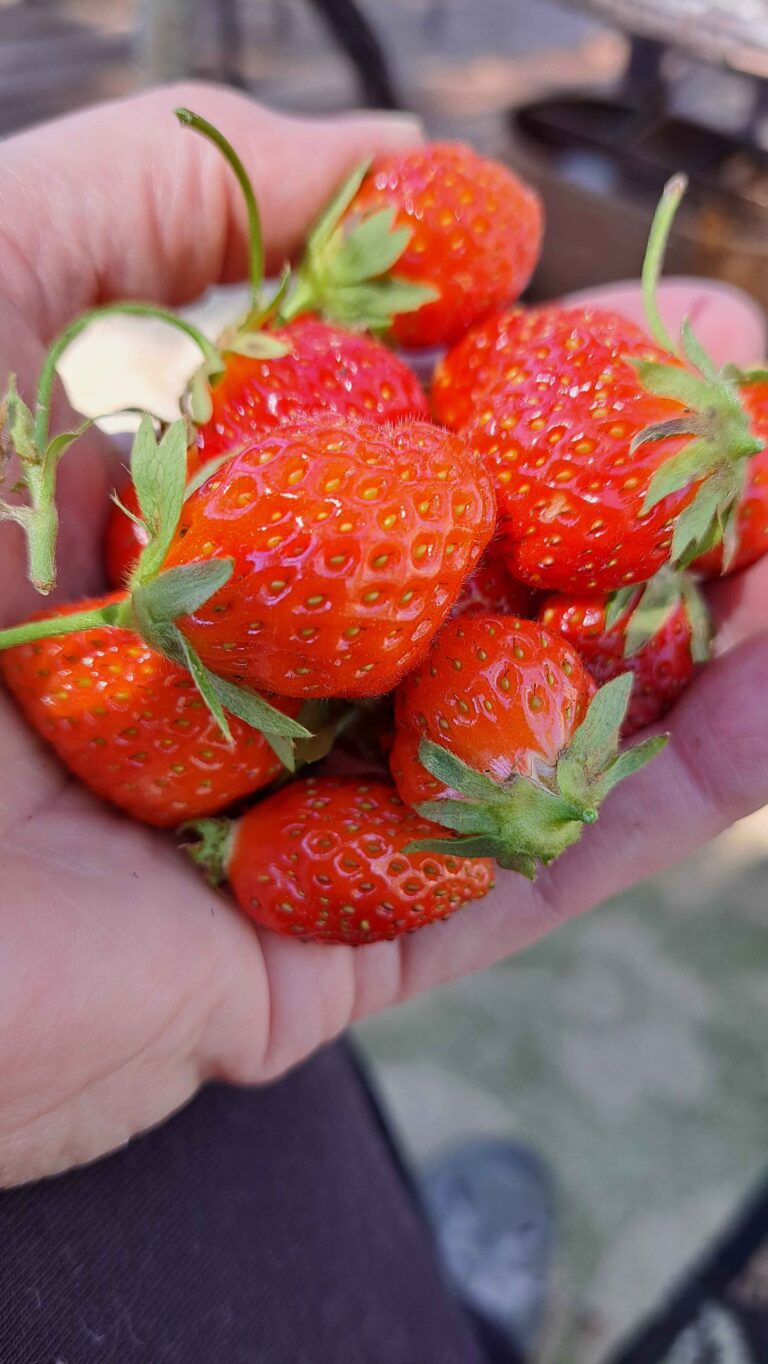
Strawberries

Question: How do I grow larger strawberries?

If you want to snack on strawberries throughout the season, you need to plant at least 10 plants per person in your household. The first year, you should pinch off the flowers so the plants will focus on putting down more roots. More roots mean bigger fruit the next year. I’ve had a strawberry patch for several years, and here are a few tips based on my experience.

Variety Selection

There are many varieties of strawberries, and choosing the right ones can make a big difference in your yield and fruit size. Here are the main types:

  • Day-Neutral Varieties: These produce fruit throughout the growing season. They are ideal if you want a consistent yield over several months.
  • June-Bearing Varieties: These produce a large crop once a year, usually in late spring or early summer. They are great if you want a large harvest at once for making jams, freezing, or preserving.
  • Ever-Bearing Varieties: These produce two to three harvests per year, typically in spring, summer, and fall. They provide a good compromise between the other two types.

Consider Your Zone

It’s important to choose varieties that are well-suited to your growing zone. I’m in zone 5A, but I’ve purchased several different varieties that do well down to zone 3A. This way, I don’t have to worry about them surviving the winter. Make sure to check the hardiness of the variety you choose to ensure they will thrive in your local climate.

Additional Tips

  • Soil and Location: Plant strawberries in well-draining soil and a sunny location where they can get at least 6-8 hours of direct sunlight daily.
  • Watering and Mulching: Consistent watering is key, especially during fruiting. Mulch with straw, pine needles, or black plastic to retain moisture, suppress weeds, and keep the fruit clean.
  • Fertilization: Use a balanced fertilizer, such as 10-10-10, mixed into the soil before planting. Apply more during the growing season as needed, but avoid over-fertilizing.

By following these tips, you can enjoy a bountiful harvest of delicious, home-grown strawberries!

Spring Planting and Garden Preparations in Full Swing

As the nights begin to warm up, it’s the perfect time to dive into full-tilt planting! Today, we’re expecting temperatures in the low sixties, so while we’re not experiencing HOT days yet, it’s ideal gardening weather.

My goal for today is to spend quality time in the garden, starting with some much-needed fence repairs. The original t-posts are spaced too far apart to withstand the strong winds we’ve been getting, so I’ll be adding extra t-posts for reinforcement. First, though, I need to locate our two post hole pounders – I know they’re around here somewhere!

In addition to fixing several parts of the fence, I also plan to spray paint the reed fencing to extend its life for at least one more season. This should help maintain the garden’s aesthetic while providing some much-needed durability.

Watering the seedlings is another critical task on my list today. These young plants need consistent care to thrive and eventually produce a bountiful harvest. After that, I’ll be turning my attention to setting up the garden cabin, which will double as an art gallery. This space will be a creative haven, blending the beauty of nature with artistic expression.

Stay tuned for more updates as the season progresses. Happy gardening!