How to Start a CO Farm Stand: Grow, Sell, & Thrive on Less Than an Acre

A Simple Guide for Turning Your Homestead Skills Into Extra Income

If you’ve been dreaming about earning a little extra income from your kitchen, your garden, or your creativity, Colorado just happens to be one of the best states to do it. Two powerful opportunities make it possible:

Colorado House Bill 19-1191 — You can operate a farm stand on ANY size property, even if the land is not zoned agricultural.

Colorado Cottage Foods Act — You can make and sell certain low-risk homemade foods from your own kitchen without needing a commercial license.

Put them together?
You can create an income-producing micro-business right from home.

This article breaks everything down in clear, simple terms — so you can decide what to make, what to grow, how to sell it, and what’s legal.


🌻 Part 1: What the CO Farm Stand Law Actually Allows

Thanks to House Bill 19-1191, a farm stand is allowed on:

  • Any size parcel of land

  • Any zoning (residential included)

  • Any property where the “principal use” is something else (like a home)

This means you do not need a multi-acre property or special agricultural zoning to sell what you grow.

What You Can Sell at a Farm Stand

✔ Produce you grow on your property
✔ Eggs (with separate egg rules)
✔ Honey
✔ Herbs
✔ Flowers (fresh or dried)
✔ Compost or garden goods
✔ Agricultural products from nearby growers (if your county allows)

Farm stands help small growers, hobby gardeners, and homesteaders connect directly with the community — just like small-town Wisconsin-style produce stands where you might find tomatoes beside a loaf of homemade bread.

And that’s where Cottage Food comes in.

🍞 Part 2: Cottage Foods — What You Can Legally Make & Sell From Home

The Colorado Cottage Food Act allows you to prepare certain non-hazardous foods in your home kitchen and sell them directly to customers.

This is perfect for a farm stand, farmers market, porch pick-up, or local delivery.

Foods You CAN Sell

Baked goods (non-perishable)

  • Sourdough loaves

  • Focaccia (plain or herb — no tomatoes or cheese)

  • Rolls

  • Cookies

  • Muffins

  • Sweet breads

Canned or preserved foods

  • Fruit jams & jellies

  • Preserves

  • Fruit butters

  • Pickles (must meet pH rules)

Dry goods

  • Spice blends

  • Seasoning mixes

  • Soup mixes

  • Tea blends

  • Herbal infusions (dry only)

  • Popcorn

  • Dehydrated fruit

  • Nuts & seed mixes

  • Granola (no dairy/hazardous ingredients)

Confections

  • Candy

  • Brittles

  • Marshmallows

  • Chocolate-covered nuts or fruit (if shelf stable)

Foods You CANNOT Sell

  • Salsa (fresh or canned)

  • Fresh pesto

  • Refrigerated foods of any kind

  • Cream pies, cheesecakes, cream-filled baked goods

  • Meat, poultry, or fish products

  • Canned vegetables unless pickled and pH-tested

Colorado does not allow home-canned salsa because it is considered low-acid and high-risk.
But don’t worry — there are clever workarounds we’ll talk about next.

If you don’t live in Colorado, you can absolutely build a similar micro-farm business — you just need to check your state’s cottage food and farm stand laws. Every state has its own version of food-safety rules, allowed products, and selling locations. A good starting point is:

  • Your state’s Department of Agriculture

  • Your county Extension Office

  • The nationwide directory at Forrager.com, which tracks cottage food laws by state

  • Your local farmers market manager — they always know what’s allowed locally

No matter where you live in the U.S., there is almost always a legal way to sell produce, baked goods, preserves, dry mixes, spices, teas, starter plants, and other small-batch foods. You don’t need acres of land — you just need a plan, a little passion, and the willingness to start small.

Welcome to mybackyard homestead

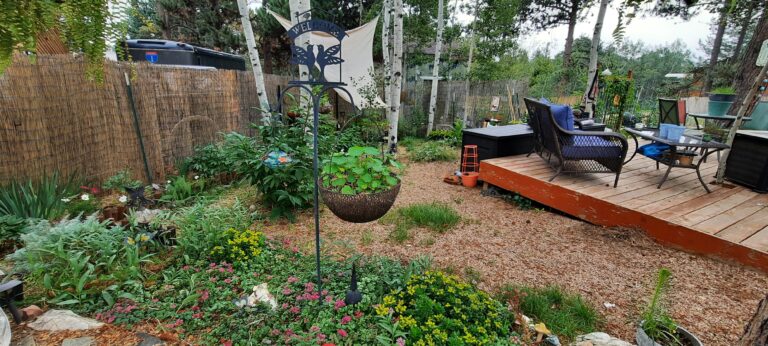
myBackyardHomestead is tucked away in the high-altitude pines of Colorado, our little slice of heaven that we lovingly call Cheesecake Bear Ranch is more than a home — it’s a living story. A place where creativity, resilience, and nature intertwine. Over the years, this little mountain haven has grown from a simple garden into a full expression of intentional living — art, sustainability, and heart all stitched together beneath the wide Western sky.

I often say I’m a modern mix between Ruth Stout and Martha Stewart — one known for her no-nonsense wisdom and deep connection to the soil, the other for her love of beauty, order, and craft. And our slice of heaven, Cheesecake Bear Ranch lives somewhere between those two worlds. It’s the place where practicality and artistry shake hands. Where compost meets candlelight. Where you can plant garlic by the moon, then head inside to edit a video, write a reflection, or bake something with too much butter and love every second of it.


The Mission

At its core, Cheesecake Bear Ranch is about living with intention — nurturing what we have, creating what we can, and finding joy in both the process and the imperfections along the way.

We focus on three guiding values:

Sustainability and Stewardship
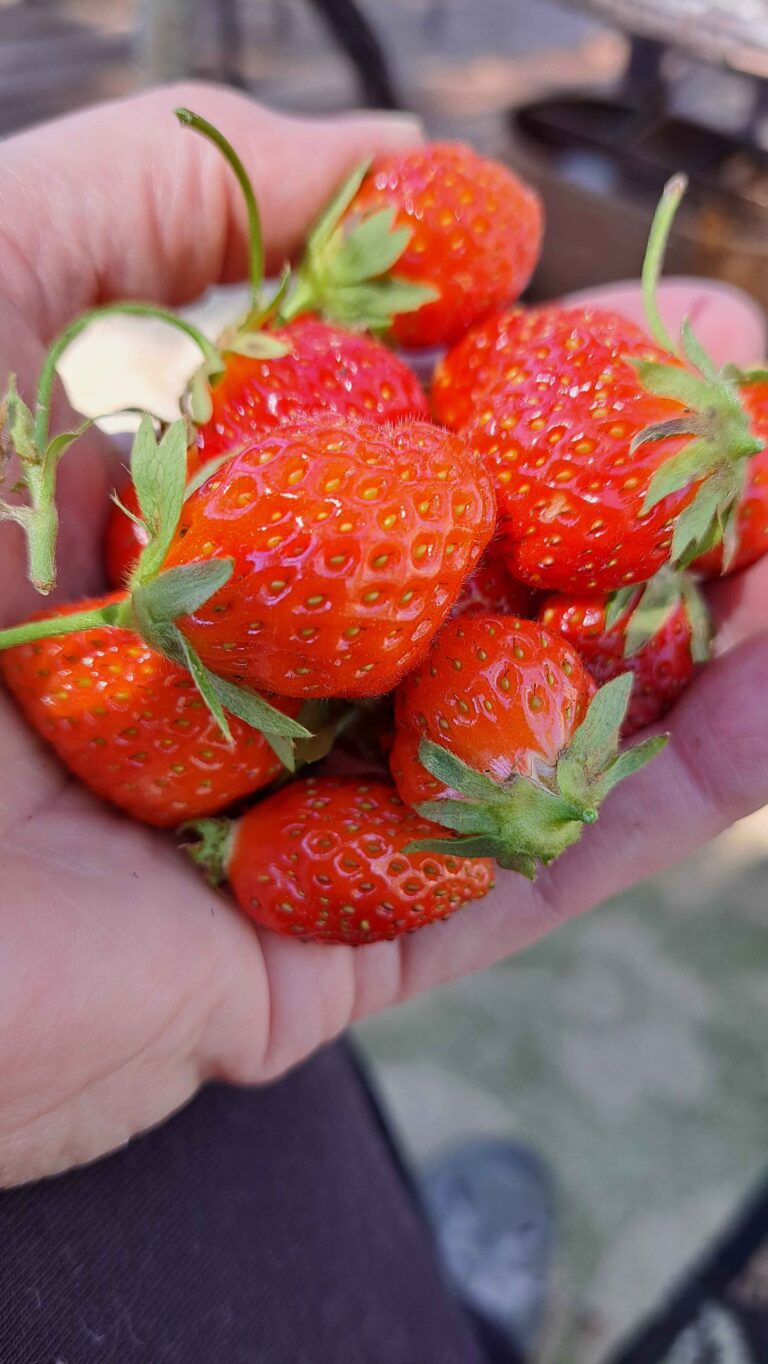
Growing food at this altitude is not easy. Between unpredictable weather and curious wildlife, every harvest feels like a small miracle. But it’s worth it. The food forest here — with its plums, currants, grapes, strawberries, and rhubarb — is a daily reminder that abundance is possible even in rugged places.

Creativity and Craft
Whether it’s art, design, gardening, or writing, Cheesecake Bear Ranch is a creative studio disguised as a homestead. Every season inspires new projects — from deck makeovers and garden experiments to digital art collections and mindful journaling tools.

Community and Connection
This ranch isn’t just for me. It’s for everyone who believes that slowing down, growing something with your hands, and creating beauty from what you already have still matters. Through my websites, videos, and writing, I share not only how I live — but why. To remind others that joy can be cultivated, even in difficult seasons.


Who I Am

I’m an artist, designer, and writer who has spent over 20 years blending technology, creativity, and storytelling. But here, at Cheesecake Bear Ranch, I’ve returned to something simpler — something older. I live surrounded by mountains, gardens, dogs, and memories, carrying forward the spirit of what Tim and I built together.

This land has taught me patience. It’s taught me things don’t have to be perfect to be meaningful. Every project — whether it’s repainting the deck, planting berries, or creating a new digital tool — is another step toward a life lived fully and authentically.

I’ve built a network of sites and projects under the Vlane.ART lifestyle brand — each one a different expression of this philosophy. From art and AI to gardening and wellness, they all connect back to one idea: living with purpose and creativity in the modern world.


A Work in Progress

Cheesecake Bear Ranch is not a finished picture. It’s a living, breathing experiment in mindful living — sometimes messy, always meaningful. Things break, weeds grow, dogs dig where they shouldn’t. But somehow, it all fits into the story.

If you’re new here, welcome. Wander through the gardens, explore the stories, and follow along as I keep building this little piece of heaven — one project, one plant, one idea at a time.

Because life, like a garden, doesn’t need to be perfect to be beautiful.

The Artist’s Garden: Nature as Muse and Medicine

More than a decade ago, our high-altitude garden in the mountains of Colorado began as a small experiment in growing food and flowers. Over time it evolved into Cheesecake Bear Ranch, a living classroom where art, creativity, and nature meet.

Here in the quiet of the mountains I have come to see gardening not only as cultivation but as a form of expression and mindfulness. Even in a fast-moving world, simple living can open space for joy, clarity, and renewal.

Many of us now spend hours in front of screens or televisions, disconnected from what lies just beyond our doors. Yet when you step into a garden, even a small one, something shifts. You begin to notice light, color, movement, and scent. You remember that you are part of a living world.

Whether you tend vegetables or flowers or simply sit with the sound of wind through the trees, nature calls you back into presence. Growth and beauty do not happen on a schedule or behind a screen. They happen when you take part in the world around you.

As a nation, we once recognized that the natural world belongs to everyone. Through the creation of state and national parks, open spaces, and public trails, we chose to protect places where anyone could walk among trees, rest beside rivers, and breathe freely. Those spaces remain open invitations to rediscover connection, creativity, and peace.

Throughout history, artists have understood this truth deeply. Their gardens were not places to flee but doorways into life itself, sources of reflection, creation, and renewal.


🎨 Claude Monet: Painting Light, Living Color

At Giverny, Monet did not simply grow flowers. He orchestrated color and light like a symphony. The water lilies, the Japanese bridge, and the reflection of the sky on water all became living elements of his art.

His garden was both muse and mirror, reflecting his moods, his grief, and his endless curiosity about perception. Monet once said, “My garden is my most beautiful masterpiece.” Perhaps he knew that tending life, not just painting it, was what kept his spirit alive.


🌺 Frida Kahlo: Nature as Self and Sanctuary

Frida Kahlo’s garden at Casa Azul was vibrant, wild, and full of native Mexican plants. After the accident that left her in chronic pain, her courtyard became both refuge and rebellion. Amid the palms and cacti, she found beauty that grew from hardship, symbolic of her own resilience.

In many of her paintings, vines and flowers emerge from her body, blurring the line between self and soil. Her garden was not a place she escaped to; it was a place where she became whole again.


🌵 Georgia O’Keeffe: Silence, Space, and Clarity

In the desert of New Mexico, O’Keeffe found peace in simplicity. She tended small gardens, collected bones, and painted the silence between things—mountains, sky, and petals.

Her relationship with the land was almost monastic. “I wish people were all trees,” she once wrote, “so I could climb them.” For her, the earth was not a backdrop but a language of stillness that spoke directly to her soul.


🌿 The Garden as an Inner Landscape

Every artist’s garden is, in a way, a self-portrait. The rows, the colors, and the textures reflect the artist’s need for order or wildness, solitude or bloom.

Modern research now confirms what artists seemed to know intuitively. Gardening lowers stress, improves mood, and fosters creativity. The rhythmic and sensory act of tending plants engages the same “flow” state that painting, writing, or composing does.

The garden gives us permission to slow down, to listen, and to participate in creation itself, one seed and one season at a time.


🌱 Science of Gardening and Mental Health

  • Reduced Stress Hormones: Studies show that 30 minutes of gardening can lower cortisol, the body’s main stress hormone, more effectively than reading indoors.

  • Improved Mood and Focus: Soil microbes such as Mycobacterium vaccae may increase serotonin levels, improving mood and mental clarity.

  • Creativity and Flow: Research on our natural connection to living things shows that time in nature supports creative problem solving and emotional balance.

  • Healing and Recovery: Horticultural therapy programs in hospitals and veteran centers help people process grief and rebuild self-worth by caring for living things.

Tending a garden is more than an act of care for the earth. It is also care for the self.


🌸 Growing Beauty, Inside and Out

As I walk through our food forest and see the plums, currants, and strawberries, I think of the artists who found peace in the soil. Like them, I have learned that art is not only what we make with our hands but how we move through our days.

A garden is a living canvas. It changes with the light, evolves with the seasons, and reminds us that growth, in all its forms, is its own kind of beauty.


🌼 If You Are Struggling

Gardening and art can both support mental well-being, but professional care matters too. If you are facing depression, anxiety, or grief, these organizations offer trusted, evidence-based support:


Closing Reflection:
To plant a seed is to believe in tomorrow. To tend it each day is to live fully in the present. Every leaf, every bloom, every bit of soil on your hands is proof creation and healing grow side by side.