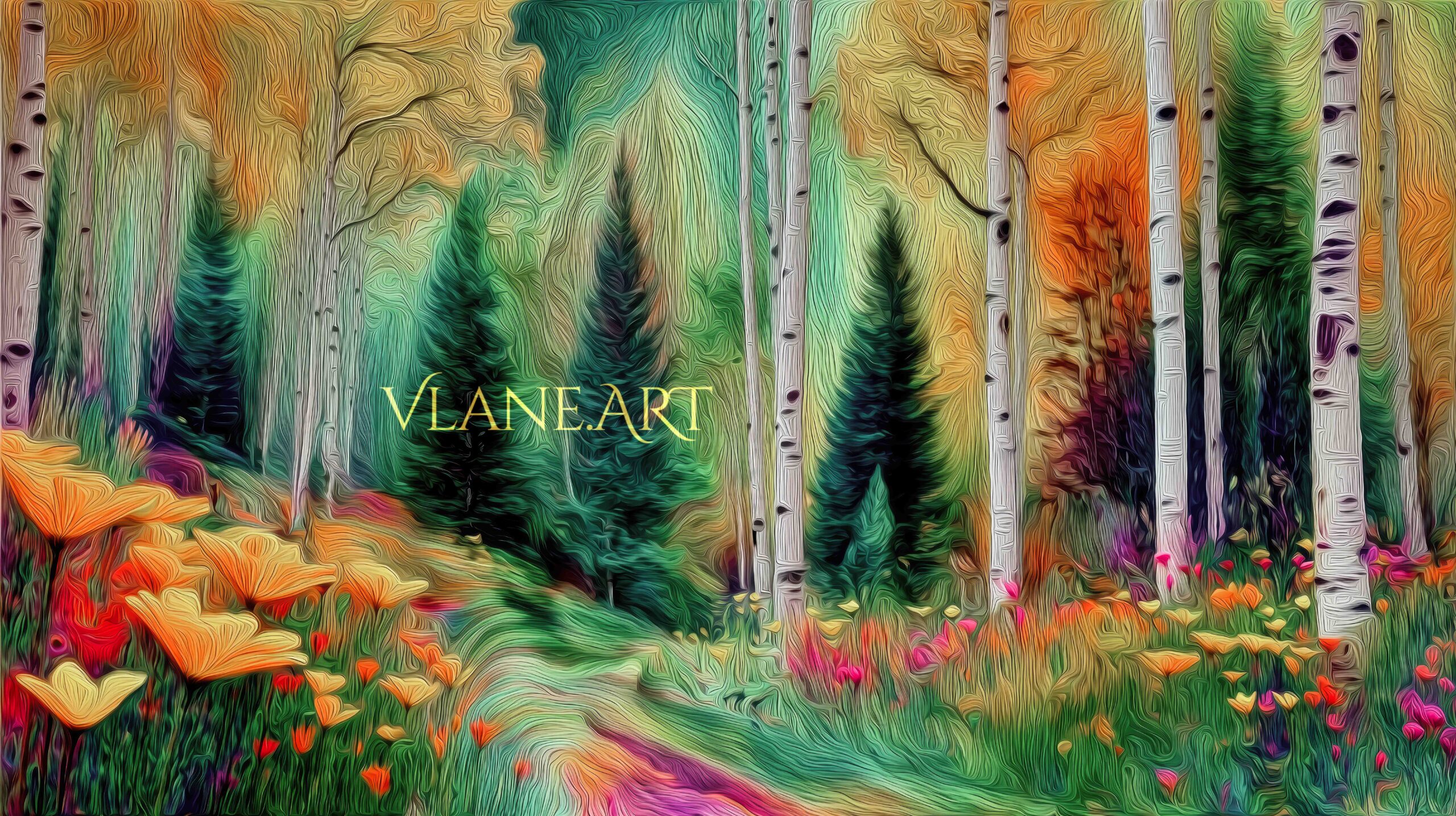
More than a decade ago, our high-altitude garden in the mountains of Colorado began as a small experiment in growing food and flowers. Over time it evolved into Cheesecake Bear Ranch, a living classroom where art, creativity, and nature meet.
Here in the quiet of the mountains I have come to see gardening not only as cultivation but as a form of expression and mindfulness. Even in a fast-moving world, simple living can open space for joy, clarity, and renewal.
Many of us now spend hours in front of screens or televisions, disconnected from what lies just beyond our doors. Yet when you step into a garden, even a small one, something shifts. You begin to notice light, color, movement, and scent. You remember that you are part of a living world.
Whether you tend vegetables or flowers or simply sit with the sound of wind through the trees, nature calls you back into presence. Growth and beauty do not happen on a schedule or behind a screen. They happen when you take part in the world around you.
As a nation, we once recognized that the natural world belongs to everyone. Through the creation of state and national parks, open spaces, and public trails, we chose to protect places where anyone could walk among trees, rest beside rivers, and breathe freely. Those spaces remain open invitations to rediscover connection, creativity, and peace.
Throughout history, artists have understood this truth deeply. Their gardens were not places to flee but doorways into life itself, sources of reflection, creation, and renewal.
🎨 Claude Monet: Painting Light, Living Color
At Giverny, Monet did not simply grow flowers. He orchestrated color and light like a symphony. The water lilies, the Japanese bridge, and the reflection of the sky on water all became living elements of his art.
His garden was both muse and mirror, reflecting his moods, his grief, and his endless curiosity about perception. Monet once said, “My garden is my most beautiful masterpiece.” Perhaps he knew that tending life, not just painting it, was what kept his spirit alive.
🌺 Frida Kahlo: Nature as Self and Sanctuary
Frida Kahlo’s garden at Casa Azul was vibrant, wild, and full of native Mexican plants. After the accident that left her in chronic pain, her courtyard became both refuge and rebellion. Amid the palms and cacti, she found beauty that grew from hardship, symbolic of her own resilience.
In many of her paintings, vines and flowers emerge from her body, blurring the line between self and soil. Her garden was not a place she escaped to; it was a place where she became whole again.
🌵 Georgia O’Keeffe: Silence, Space, and Clarity
In the desert of New Mexico, O’Keeffe found peace in simplicity. She tended small gardens, collected bones, and painted the silence between things—mountains, sky, and petals.
Her relationship with the land was almost monastic. “I wish people were all trees,” she once wrote, “so I could climb them.” For her, the earth was not a backdrop but a language of stillness that spoke directly to her soul.
🌿 The Garden as an Inner Landscape
Every artist’s garden is, in a way, a self-portrait. The rows, the colors, and the textures reflect the artist’s need for order or wildness, solitude or bloom.
Modern research now confirms what artists seemed to know intuitively. Gardening lowers stress, improves mood, and fosters creativity. The rhythmic and sensory act of tending plants engages the same “flow” state that painting, writing, or composing does.
The garden gives us permission to slow down, to listen, and to participate in creation itself, one seed and one season at a time.
🌱 Science of Gardening and Mental Health
-
Reduced Stress Hormones: Studies show that 30 minutes of gardening can lower cortisol, the body’s main stress hormone, more effectively than reading indoors.
-
Improved Mood and Focus: Soil microbes such as Mycobacterium vaccae may increase serotonin levels, improving mood and mental clarity.
-
Creativity and Flow: Research on our natural connection to living things shows that time in nature supports creative problem solving and emotional balance.
-
Healing and Recovery: Horticultural therapy programs in hospitals and veteran centers help people process grief and rebuild self-worth by caring for living things.
Tending a garden is more than an act of care for the earth. It is also care for the self.
🌸 Growing Beauty, Inside and Out
As I walk through our food forest and see the plums, currants, and strawberries, I think of the artists who found peace in the soil. Like them, I have learned that art is not only what we make with our hands but how we move through our days.
A garden is a living canvas. It changes with the light, evolves with the seasons, and reminds us that growth, in all its forms, is its own kind of beauty.
🌼 If You Are Struggling
Gardening and art can both support mental well-being, but professional care matters too. If you are facing depression, anxiety, or grief, these organizations offer trusted, evidence-based support:
-
Crisis Text Line – text HOME to 741741 for immediate help in the U.S.
Closing Reflection:
To plant a seed is to believe in tomorrow. To tend it each day is to live fully in the present. Every leaf, every bloom, every bit of soil on your hands is proof creation and healing grow side by side.
Subscribe to Notes from the Ranch:
A weekly letter from the mountains — full of mindful living tips, art, and simple joys.