The Artist’s Garden: Nature as Muse and Medicine

More than a decade ago, our high-altitude garden in the mountains of Colorado began as a small experiment in growing food and flowers. Over time it evolved into Cheesecake Bear Ranch, a living classroom where art, creativity, and nature meet.

Here in the quiet of the mountains I have come to see gardening not only as cultivation but as a form of expression and mindfulness. Even in a fast-moving world, simple living can open space for joy, clarity, and renewal.

Many of us now spend hours in front of screens or televisions, disconnected from what lies just beyond our doors. Yet when you step into a garden, even a small one, something shifts. You begin to notice light, color, movement, and scent. You remember that you are part of a living world.

Whether you tend vegetables or flowers or simply sit with the sound of wind through the trees, nature calls you back into presence. Growth and beauty do not happen on a schedule or behind a screen. They happen when you take part in the world around you.

As a nation, we once recognized that the natural world belongs to everyone. Through the creation of state and national parks, open spaces, and public trails, we chose to protect places where anyone could walk among trees, rest beside rivers, and breathe freely. Those spaces remain open invitations to rediscover connection, creativity, and peace.

Throughout history, artists have understood this truth deeply. Their gardens were not places to flee but doorways into life itself, sources of reflection, creation, and renewal.


🎨 Claude Monet: Painting Light, Living Color

At Giverny, Monet did not simply grow flowers. He orchestrated color and light like a symphony. The water lilies, the Japanese bridge, and the reflection of the sky on water all became living elements of his art.

His garden was both muse and mirror, reflecting his moods, his grief, and his endless curiosity about perception. Monet once said, “My garden is my most beautiful masterpiece.” Perhaps he knew that tending life, not just painting it, was what kept his spirit alive.


🌺 Frida Kahlo: Nature as Self and Sanctuary

Frida Kahlo’s garden at Casa Azul was vibrant, wild, and full of native Mexican plants. After the accident that left her in chronic pain, her courtyard became both refuge and rebellion. Amid the palms and cacti, she found beauty that grew from hardship, symbolic of her own resilience.

In many of her paintings, vines and flowers emerge from her body, blurring the line between self and soil. Her garden was not a place she escaped to; it was a place where she became whole again.


🌵 Georgia O’Keeffe: Silence, Space, and Clarity

In the desert of New Mexico, O’Keeffe found peace in simplicity. She tended small gardens, collected bones, and painted the silence between things—mountains, sky, and petals.

Her relationship with the land was almost monastic. “I wish people were all trees,” she once wrote, “so I could climb them.” For her, the earth was not a backdrop but a language of stillness that spoke directly to her soul.


🌿 The Garden as an Inner Landscape

Every artist’s garden is, in a way, a self-portrait. The rows, the colors, and the textures reflect the artist’s need for order or wildness, solitude or bloom.

Modern research now confirms what artists seemed to know intuitively. Gardening lowers stress, improves mood, and fosters creativity. The rhythmic and sensory act of tending plants engages the same “flow” state that painting, writing, or composing does.

The garden gives us permission to slow down, to listen, and to participate in creation itself, one seed and one season at a time.


🌱 Science of Gardening and Mental Health

  • Reduced Stress Hormones: Studies show that 30 minutes of gardening can lower cortisol, the body’s main stress hormone, more effectively than reading indoors.

  • Improved Mood and Focus: Soil microbes such as Mycobacterium vaccae may increase serotonin levels, improving mood and mental clarity.

  • Creativity and Flow: Research on our natural connection to living things shows that time in nature supports creative problem solving and emotional balance.

  • Healing and Recovery: Horticultural therapy programs in hospitals and veteran centers help people process grief and rebuild self-worth by caring for living things.

Tending a garden is more than an act of care for the earth. It is also care for the self.


🌸 Growing Beauty, Inside and Out

As I walk through our food forest and see the plums, currants, and strawberries, I think of the artists who found peace in the soil. Like them, I have learned that art is not only what we make with our hands but how we move through our days.

A garden is a living canvas. It changes with the light, evolves with the seasons, and reminds us that growth, in all its forms, is its own kind of beauty.


🌼 If You Are Struggling

Gardening and art can both support mental well-being, but professional care matters too. If you are facing depression, anxiety, or grief, these organizations offer trusted, evidence-based support:


Closing Reflection:
To plant a seed is to believe in tomorrow. To tend it each day is to live fully in the present. Every leaf, every bloom, every bit of soil on your hands is proof creation and healing grow side by side.

Winter Sowing with Milk Jugs: A Beginner’s Guide

Winter Sowing with Milk Jugs: A Beginner’s Guide

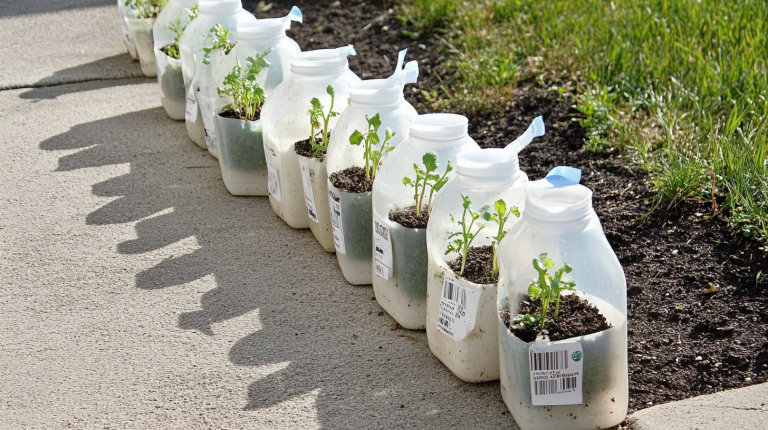
Winter sowing is an easy and fun way to start your garden before spring even arrives. By using recycled milk jugs or other similar containers, you can create a mini greenhouse that helps seeds germinate naturally. Here’s everything you need to know to get started!


What is Winter Sowing?

Winter sowing is a method of planting seeds outdoors during the colder months. Instead of waiting for spring, you sow your seeds in containers that mimic the natural conditions of the outdoors. As the weather warms, the seeds begin to sprout, giving you a head start on the growing season.


Why Use Milk Jugs?

Milk jugs are perfect for winter sowing because they are:

  • Transparent: Letting in plenty of sunlight.
  • Reusable: An eco-friendly option that reduces waste.
  • Lightweight and Durable: Easy to handle and move if needed.
  • Affordable: A low-cost solution compared to traditional greenhouses.

What You’ll Need

Before you begin, gather these supplies:

Empty Milk Jugs or Similar Containers: Cleaned and with labels removed.
Seeds: Choose hardy, cold-tolerant varieties.
Potting Soil: A well-draining mix suited for starting seeds.
Scissors or a Utility Knife: For cutting the jugs.
Tape or Permanent Marker: To label your containers.
Water: For moistening the soil.


How to Set Up Your Winter Sowing Jugs

Follow these simple steps to set up your winter sowing project:

Prepare the Container:
Rinse the milk jug thoroughly.Using scissors or a utility knife, cut a 3-4 inch opening on the top (the side where the cap was). This opening will allow air circulation and give your seeds room to grow.

Fill with Soil:
Fill the jug with potting soil up to about 2 inches from the top.
Gently press the soil down to remove air pockets.

Plant the Seeds:
Read the seed packet for planting depth recommendations.
Make small holes in the soil with a pencil or your finger.
Place the seeds in the holes and cover them lightly with additional soil.

Label Your Jugs:
Use tape or a permanent marker to label each jug with the type of seed and the planting date.

Water Lightly:
Mist the soil with water. It should be moist but not soaking wet.

Place Outside:
Set your jugs in a sheltered, sunny spot outdoors. The jugs will act like mini greenhouses, using the natural winter conditions to prepare your seeds for spring.


Tips for Success

  • Check Moisture Regularly: While the jugs will retain moisture, it’s important to check occasionally to ensure the soil doesn’t dry out.
  • Ventilation is Key: On milder days, open the jugs for a short period to allow fresh air in, reducing the risk of mold.
  • Seed Timing: Winter sowing works best for seeds that need a cold period to germinate. Check seed packets for compatibility.

Popular cold-hardy vegetables that do well in USDA Hardiness Zones 4, 5, and 6:

  1. Spinach – Thrives in cool temperatures and can withstand light frosts.
  2. Kale – One of the most cold-tolerant greens; flavor often improves after a frost.
  3. Lettuce (Leaf and Romaine) – Grows well in cooler weather and can handle mild frosts.
  4. Broccoli – Prefers cooler temperatures; can survive light frosts and still produce heads.
  5. Cauliflower – Similar to broccoli in cold tolerance, though slightly more sensitive.
  6. Peas – Snow peas and snap peas can germinate in cool soil and tolerate light frosts.
  7. Radishes – Quick-growing root vegetable that can handle cooler soil temperatures.
  8. Carrots – Can germinate in lower temperatures and develop sweeter flavor after light frosts.
  9. Onions (Sets or Seedlings) – Hardy and can be planted early in the season.
  10. Brussels Sprouts – Similar to kale in cold tolerance, improving in flavor after frosts.

Troubleshooting Common Issues

  • Condensation Build-Up: If you notice too much condensation, slightly open the lid during sunny periods.
  • Mold: Ensure the soil isn’t too wet and that the container is well-ventilated.
  • Pests: Using a fine mesh or netting over the jug can help deter small critters.

Winter sowing is a great way to jumpstart your garden in an eco-friendly and budget-friendly manner. By using milk jugs, you’re not only recycling but also creating a nurturing environment for your seeds. Enjoy the process and look forward to a vibrant garden come spring!