5 Secrets for an easy Container Garden

From Flower Beds to Food: 5 Surprising Secrets for a High-Style, Low-Effort Container Garden

For the discerning homeowner, the transition from a manicured flower garden to a productive vegetable plot often feels like a stylistic compromise. There is a lingering, pervasive myth that “growing your own” is a purely utilitarian—and aesthetically lackluster—endeavor. However, the philosophy of the “Lazy Gardener” suggests that one need not choose between a curated harvest and a stunning outdoor space. By applying a design-led eye to functional horticulture, your vegetable containers can offer as much architectural interest and textural contrast as any prize-winning rose bed.
The secret lies in working with nature’s robustness rather than against it. Here are five surprising strategies to transform your patio into a “fabulous” and high-yielding edible sanctuary.

1. The “Buried Alive” Strategy for Architectural Stability

When transplanting, our instinct is to keep the plant at its original nursery level. However, for high-impact staples like potatoes and tomatoes, the most counterintuitive move—burying them “deeper than you might imagine”—is the key to a stocky, wind-resistant silhouette and a prolific yield.
When planting potatoes, fill your container only one-third full of soil. After placing your starts, cover them completely to the very top of the pot. As the expert guidance suggests:
“You’d think they’re like way down there and they’re sort of buried alive, but they’ll come all the way up and come right to the surface.”
This technique encourages massive stem development and ample room for tubers. To give them the “energy and boost” required for this rapid growth, mix in two handfuls of chicken manure pellets. Be warned: they are “a little bit foul” to the nose initially, but the scent dissipates the moment they are watered in, leaving only pure nutrient power behind.
Pro Tip: Tomatoes possess a unique biological secret: they produce adventitious roots anywhere the stem touches the soil. By burying the stem deep, you aren’t drowning the plant; you are creating a massive, sophisticated root system that results in a sturdier, more resilient plant.

2. The Aesthetic “Zhuzh”: Upcycling with High-Style Flair

A truly curated garden should never be defined by the “utility” of black plastic. The secret to an elevated look is aesthetic upcycling—transforming “found objects” into chic garden features.
To hide unappealing plastic, wrap pots in burlap (hessian) sacking secured with rustic twine. This provides an immediate “shabby chic” texture that complements a Mediterranean blue palette. Beyond the visual appeal, this is a vital “lazy” hack: the burlap shades the pot, preventing the soil from overheating. Cooler roots mean less water evaporation and less daily maintenance for you.

For more character, look to your shed or local vintage markets for:

 Old Tin Baths or Sinks: Perfect for a rustic-luxe focal point.
 Wicker Bread Baskets: Line these with permeable weed membrane (or more burlap) to prevent soil from escaping.
 Weathered Apple Boxes: Ideal for a cluster of strawberry plants.

3. Bespoke Soil: The Tailor-Made Approach

The most sophisticated gardeners know that soil is not “one size fits all.” To ensure your plants thrive with minimal intervention, you must provide a bespoke potting mix tailored to their specific biological origins.

Plant Type

Bespoke Mix Composition

Key Benefit

Leafy Greens & “Chocolate” Mint

Multi-purpose mix with chicken manure pellets.

Nitrogen-rich “oomph” for vibrant chartreuse and deep red foliage.

Mediterranean Rosemary

Soil mixed with coarse grit or “inert” gritty sand.

Prevents “wet feet” (root rot) by mimicking rocky, free-draining hillsides.

Peppers & Chilies

Light, airy mix using Coir (coconut fiber) and Perlite.

Creates a “fluffy,” aerated environment for delicate root systems.

By using coir and perlite for your peppers, you create a “fluffy” substrate that facilitates drainage and oxygen flow, which is essential for these sun-loving “goddesses.”

4. Designing the Visual Harvest: Checkerboards and Succession

To move away from the “all-green” utility look, use your crops as living design elements. One of the most effective methods for visual impact is Checkerboard Planting. Instead of rows, alternate contrasting leaf colors—pair a shocking green chartreuse oak leaf lettuce against a deep, moody red leaf variety.

Enhance this with Companion Planting. Interspersing Marigolds among your Tomato plants provides a stunning pop of orange against your blue pots, but it also serves a technical purpose: attracting hoverflies and other “pest predators” to keep your garden clean without chemicals.

To maintain this “fabulousness” into the autumn, practice Succession Sowing:

 The Segway Crop: As your early-season spinach begins to “bolt,” have Rainbow Chard seedlings ready to take over. Their multicolored mid-ribs glow when back-lit by the sun, offering “majestic” color long after the summer salad season has peaked.
 The Filigree Layer: Intersperse deep pots of Salad Carrots for their delicate, fern-like foliage, which adds soft texture to your container groupings.

5. The Lazy Gardener’s Luxury Maintenance Hacks

The hallmark of the Aesthetic Agronomist is achieving maximum results with minimum labor. Success is often a matter of strategic placement and simple observation.

 The Proximity Rule: Place your containers close to the house on a flat, sunny surface. If they are in your daily line of sight, you are more inclined to “tend and admire” them, ensuring they never fall into neglect.
 The Finger Test: Forget rigid watering schedules. Simply push your finger an inch or two into the soil. If it feels cool and moist, walk away. Only water when the soil feels dry at that depth.
 The Potato Mulch Hack: To lock in moisture and further reduce your watering chores, apply a mulch of dried grass clippings over your potato pots. It’s an effortless way to keep the potting mix cool and hydrated.
 The Two-Week Feed: Use a liquid tomato feed every two weeks for all fruiting plants—including strawberries and peppers. This replaces the nutrients exhausted by the plant and provides the “energy” needed for consistent flower and fruit production.

Conclusion: The Confidence of Small Starts

The most rewarding realization for any new gardener is that plants are “more robust than you imagined.” Gardening is not a pursuit of perfection; it is about finding your feet and witnessing the incredible resilience of “Mother Nature.”
Once you see your first vibrant chard leaf or sun-warmed strawberry appear, your confidence will grow alongside your harvest. Look around your home—what surprising, “shabby chic” container do you have sitting in your garage or shed right now that could be the centerpiece of your new high-style garden?

Winter Sowing with Milk Jugs: A Beginner’s Guide

Winter Sowing with Milk Jugs: A Beginner’s Guide

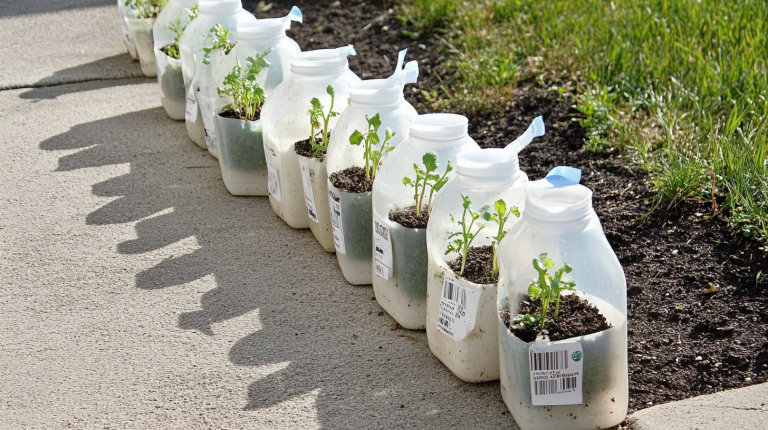
Winter sowing is an easy and fun way to start your garden before spring even arrives. By using recycled milk jugs or other similar containers, you can create a mini greenhouse that helps seeds germinate naturally. Here’s everything you need to know to get started!


What is Winter Sowing?

Winter sowing is a method of planting seeds outdoors during the colder months. Instead of waiting for spring, you sow your seeds in containers that mimic the natural conditions of the outdoors. As the weather warms, the seeds begin to sprout, giving you a head start on the growing season.


Why Use Milk Jugs?

Milk jugs are perfect for winter sowing because they are:

  • Transparent: Letting in plenty of sunlight.
  • Reusable: An eco-friendly option that reduces waste.
  • Lightweight and Durable: Easy to handle and move if needed.
  • Affordable: A low-cost solution compared to traditional greenhouses.

What You’ll Need

Before you begin, gather these supplies:

Empty Milk Jugs or Similar Containers: Cleaned and with labels removed.
Seeds: Choose hardy, cold-tolerant varieties.
Potting Soil: A well-draining mix suited for starting seeds.
Scissors or a Utility Knife: For cutting the jugs.
Tape or Permanent Marker: To label your containers.
Water: For moistening the soil.


How to Set Up Your Winter Sowing Jugs

Follow these simple steps to set up your winter sowing project:

Prepare the Container:
Rinse the milk jug thoroughly.Using scissors or a utility knife, cut a 3-4 inch opening on the top (the side where the cap was). This opening will allow air circulation and give your seeds room to grow.

Fill with Soil:
Fill the jug with potting soil up to about 2 inches from the top.
Gently press the soil down to remove air pockets.

Plant the Seeds:
Read the seed packet for planting depth recommendations.
Make small holes in the soil with a pencil or your finger.
Place the seeds in the holes and cover them lightly with additional soil.

Label Your Jugs:
Use tape or a permanent marker to label each jug with the type of seed and the planting date.

Water Lightly:
Mist the soil with water. It should be moist but not soaking wet.

Place Outside:
Set your jugs in a sheltered, sunny spot outdoors. The jugs will act like mini greenhouses, using the natural winter conditions to prepare your seeds for spring.


Tips for Success

  • Check Moisture Regularly: While the jugs will retain moisture, it’s important to check occasionally to ensure the soil doesn’t dry out.
  • Ventilation is Key: On milder days, open the jugs for a short period to allow fresh air in, reducing the risk of mold.
  • Seed Timing: Winter sowing works best for seeds that need a cold period to germinate. Check seed packets for compatibility.

Popular cold-hardy vegetables that do well in USDA Hardiness Zones 4, 5, and 6:

  1. Spinach – Thrives in cool temperatures and can withstand light frosts.
  2. Kale – One of the most cold-tolerant greens; flavor often improves after a frost.
  3. Lettuce (Leaf and Romaine) – Grows well in cooler weather and can handle mild frosts.
  4. Broccoli – Prefers cooler temperatures; can survive light frosts and still produce heads.
  5. Cauliflower – Similar to broccoli in cold tolerance, though slightly more sensitive.
  6. Peas – Snow peas and snap peas can germinate in cool soil and tolerate light frosts.
  7. Radishes – Quick-growing root vegetable that can handle cooler soil temperatures.
  8. Carrots – Can germinate in lower temperatures and develop sweeter flavor after light frosts.
  9. Onions (Sets or Seedlings) – Hardy and can be planted early in the season.
  10. Brussels Sprouts – Similar to kale in cold tolerance, improving in flavor after frosts.

Troubleshooting Common Issues

  • Condensation Build-Up: If you notice too much condensation, slightly open the lid during sunny periods.
  • Mold: Ensure the soil isn’t too wet and that the container is well-ventilated.
  • Pests: Using a fine mesh or netting over the jug can help deter small critters.

Winter sowing is a great way to jumpstart your garden in an eco-friendly and budget-friendly manner. By using milk jugs, you’re not only recycling but also creating a nurturing environment for your seeds. Enjoy the process and look forward to a vibrant garden come spring!