Why Growing Strawberries Matters More Than Ever

How a simple garden patch builds memories, community, and a stronger local food system

There’s a quiet kind of magic that happens when strawberries grow in your garden.

It’s not loud or flashy. It doesn’t announce itself.
It shows up barefoot, on a warm day, with red-stained fingers and berries eaten before they ever make it inside.

These are the moments that turn into family stories. The kind that get told years later, usually with a smile, and usually starting with, “Remember when we used to…”

Strawberries as Memory Keepers

Strawberries are often one of the first foods people remember growing or picking. They’re low to the ground, easy to reach, and generous. You don’t need special tools or years of experience. You just need to show up.

That accessibility matters.

When friends and family visit and wander into the strawberry patch, something shifts. Conversations slow down. People linger. Kids learn, without being taught, that food comes from care, patience, and attention.

These aren’t small things. They’re formative.

Growing Food Is About More Than Food

Growing strawberries isn’t just about the harvest. It’s about connection.

Connection to the land beneath your feet.
Connection to the people you share your space with.
Connection to knowledge that once lived in nearly every household.

For generations, growing food wasn’t a hobby. It was a shared responsibility. Somewhere along the way, we outsourced it almost entirely, and with that came distance — from the land, from seasons, and from each other.

Reintroducing even a small food patch into your yard begins to close that gap.

Backyard Gardens and Civic Responsibility

Growing food at home doesn’t mean going off-grid or doing everything yourself. It means participating.

A strawberry patch won’t replace a grocery store, but it does something just as important: it reinforces local resilience. When more households grow even a portion of their food, local food systems become stronger, more adaptable, and more human.

Seen this way, gardening becomes an act of civic responsibility.
Not driven by fear or scarcity, but by care.

Care for your family.
Care for your neighbors.
Care for the land that sustains all of us.

Why Strawberries Are the Perfect Place to Start

Strawberries are one of the most rewarding plants for home gardeners:

  • They’re perennial, returning year after year

  • They’re affordable to plant in meaningful quantities

  • They thrive in small spaces or dedicated patches

  • They produce quickly and generously

A common rule of thumb is about 10 plants per person for a real harvest. That’s enough to snack, share, and still have berries left for the kitchen.

But beyond yield, strawberries offer something less measurable and more enduring: joy.

Building Trust in a High-Tech World

We’re living in an age where technology, including AI, shapes much of what we see, read, and create. That makes credibility more important than ever.

Real experience.
Real place.
Real seasons.

At myBackyardHomestead, everything shared here is grounded in lived practice — growing food where I live, learning what works (and what doesn’t), and documenting the process as it unfolds.

Technology can help us learn faster and share more widely, but trust is built the old-fashioned way: through consistency, transparency, and connection to real life.

That’s what this space is about.

Bringing It Back Home

A basket of strawberries can feed more than bodies.

It feeds memory.
It feeds connection.
It feeds the kind of stories families carry forward.

If you’ve been thinking about starting a strawberry patch, there’s no better time. Planting strawberries is an invitation — to slow down, to participate, and to help rebuild local food systems one garden at a time.

Because growing food is not just about what we eat.
It’s about how we live, together.

Winter Sowing with Milk Jugs: A Beginner’s Guide

Winter Sowing with Milk Jugs: A Beginner’s Guide

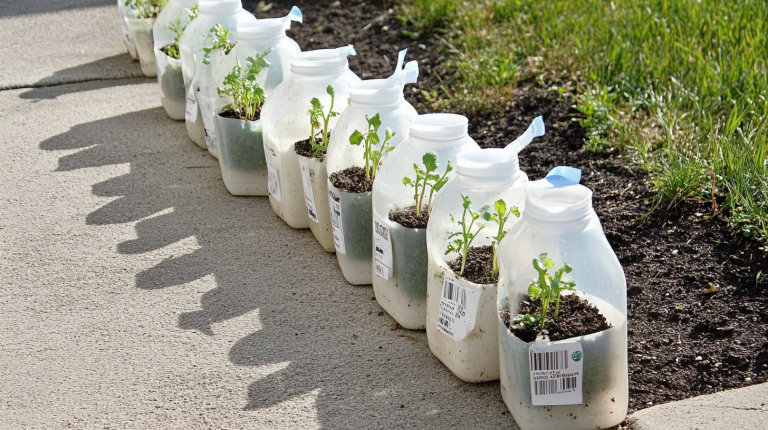
Winter sowing is an easy and fun way to start your garden before spring even arrives. By using recycled milk jugs or other similar containers, you can create a mini greenhouse that helps seeds germinate naturally. Here’s everything you need to know to get started!


What is Winter Sowing?

Winter sowing is a method of planting seeds outdoors during the colder months. Instead of waiting for spring, you sow your seeds in containers that mimic the natural conditions of the outdoors. As the weather warms, the seeds begin to sprout, giving you a head start on the growing season.


Why Use Milk Jugs?

Milk jugs are perfect for winter sowing because they are:

  • Transparent: Letting in plenty of sunlight.
  • Reusable: An eco-friendly option that reduces waste.
  • Lightweight and Durable: Easy to handle and move if needed.
  • Affordable: A low-cost solution compared to traditional greenhouses.

What You’ll Need

Before you begin, gather these supplies:

Empty Milk Jugs or Similar Containers: Cleaned and with labels removed.
Seeds: Choose hardy, cold-tolerant varieties.
Potting Soil: A well-draining mix suited for starting seeds.
Scissors or a Utility Knife: For cutting the jugs.
Tape or Permanent Marker: To label your containers.
Water: For moistening the soil.


How to Set Up Your Winter Sowing Jugs

Follow these simple steps to set up your winter sowing project:

Prepare the Container:
Rinse the milk jug thoroughly.Using scissors or a utility knife, cut a 3-4 inch opening on the top (the side where the cap was). This opening will allow air circulation and give your seeds room to grow.

Fill with Soil:
Fill the jug with potting soil up to about 2 inches from the top.
Gently press the soil down to remove air pockets.

Plant the Seeds:
Read the seed packet for planting depth recommendations.
Make small holes in the soil with a pencil or your finger.
Place the seeds in the holes and cover them lightly with additional soil.

Label Your Jugs:
Use tape or a permanent marker to label each jug with the type of seed and the planting date.

Water Lightly:
Mist the soil with water. It should be moist but not soaking wet.

Place Outside:
Set your jugs in a sheltered, sunny spot outdoors. The jugs will act like mini greenhouses, using the natural winter conditions to prepare your seeds for spring.


Tips for Success

  • Check Moisture Regularly: While the jugs will retain moisture, it’s important to check occasionally to ensure the soil doesn’t dry out.
  • Ventilation is Key: On milder days, open the jugs for a short period to allow fresh air in, reducing the risk of mold.
  • Seed Timing: Winter sowing works best for seeds that need a cold period to germinate. Check seed packets for compatibility.

Popular cold-hardy vegetables that do well in USDA Hardiness Zones 4, 5, and 6:

  1. Spinach – Thrives in cool temperatures and can withstand light frosts.
  2. Kale – One of the most cold-tolerant greens; flavor often improves after a frost.
  3. Lettuce (Leaf and Romaine) – Grows well in cooler weather and can handle mild frosts.
  4. Broccoli – Prefers cooler temperatures; can survive light frosts and still produce heads.
  5. Cauliflower – Similar to broccoli in cold tolerance, though slightly more sensitive.
  6. Peas – Snow peas and snap peas can germinate in cool soil and tolerate light frosts.
  7. Radishes – Quick-growing root vegetable that can handle cooler soil temperatures.
  8. Carrots – Can germinate in lower temperatures and develop sweeter flavor after light frosts.
  9. Onions (Sets or Seedlings) – Hardy and can be planted early in the season.
  10. Brussels Sprouts – Similar to kale in cold tolerance, improving in flavor after frosts.

Troubleshooting Common Issues

  • Condensation Build-Up: If you notice too much condensation, slightly open the lid during sunny periods.
  • Mold: Ensure the soil isn’t too wet and that the container is well-ventilated.
  • Pests: Using a fine mesh or netting over the jug can help deter small critters.

Winter sowing is a great way to jumpstart your garden in an eco-friendly and budget-friendly manner. By using milk jugs, you’re not only recycling but also creating a nurturing environment for your seeds. Enjoy the process and look forward to a vibrant garden come spring!